Austria
  Bosnia and Herzegovina
  Bulgaria
  Croatia
  Czech Republic
  Denmark
  Estonia
  Finland
  France
  Germany
  Greece
  Hungary
  Ireland
  Italy
Italy  Latvia
  Lithuania
  Poland
  Portugal
  Romania
  Slovakia
  Slovenia
  Spain
Spain  Sweden
  Switzerland
  United Kingdom
  Ukraine
  China
China  Hong Kong
  India
India  Israel
  Japan
Japan  Malaysia
  Philippines
  Saudi Arabia
  South Korea
  Taiwan
  Thailand
  Turkey
  United Arab Emirates
  Egypt
Egypt  South Africa
  Tunisia
  Canada
  Mexico
  United States
  Brasil
  Colombia
  Australia
  New Zealand
 Headmade Materials Qualifies Sinterit Lisa X for CMF
Metal 3D printing without metal printers?
Yes — with ColdMetalFusion and Sinterit Lisa X
Metal additive manufacturing is evolving fast, but for many companies it is still associated with high investment costs, complex infrastructure, and specialized metal machines. ColdMetalFusion (CMF) offers a different approach — and today we are taking an important step in making it more accessible.
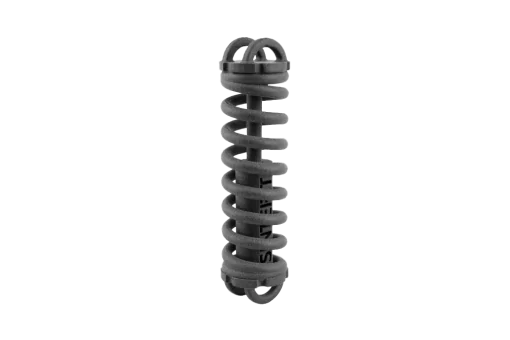
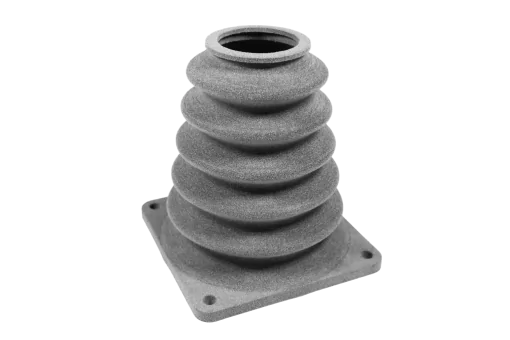
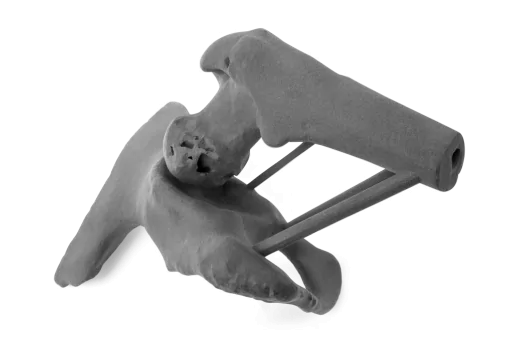
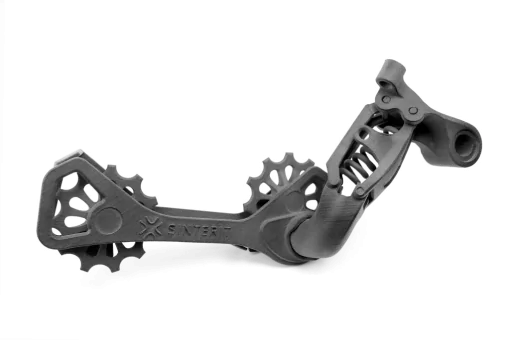
Headmade Materials has qualified Sinterit Lisa X as a platform for printing CMF metal feedstocks.
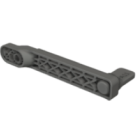
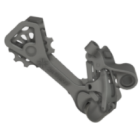
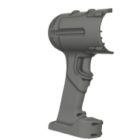
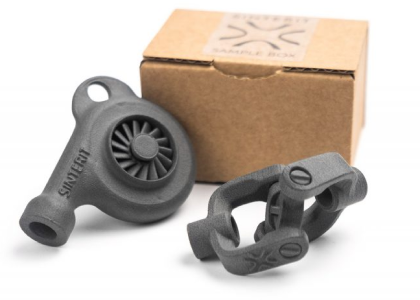
This qualification confirms that Sinterit Lisa X can be used to print CMF green parts, which are later transformed into dense metal components through debinding and sintering. At the same time, it marks the beginning of a broader development phase focused on real industrial use cases.
What is ColdMetalFusion (CMF)?
ColdMetalFusion (CMF) is a sinter-based metal additive manufacturing technology developed by Headmade Materials.
Instead of melting metal powder with a high-power laser, CMF separates the process into two distinct stages:
- Green part printing on a polymer SLS system
A thermoplastic binder is selectively melted inside a metal-powder feedstock, forming a solid green part at low temperature (below ~80 °C). - Debinding and sintering
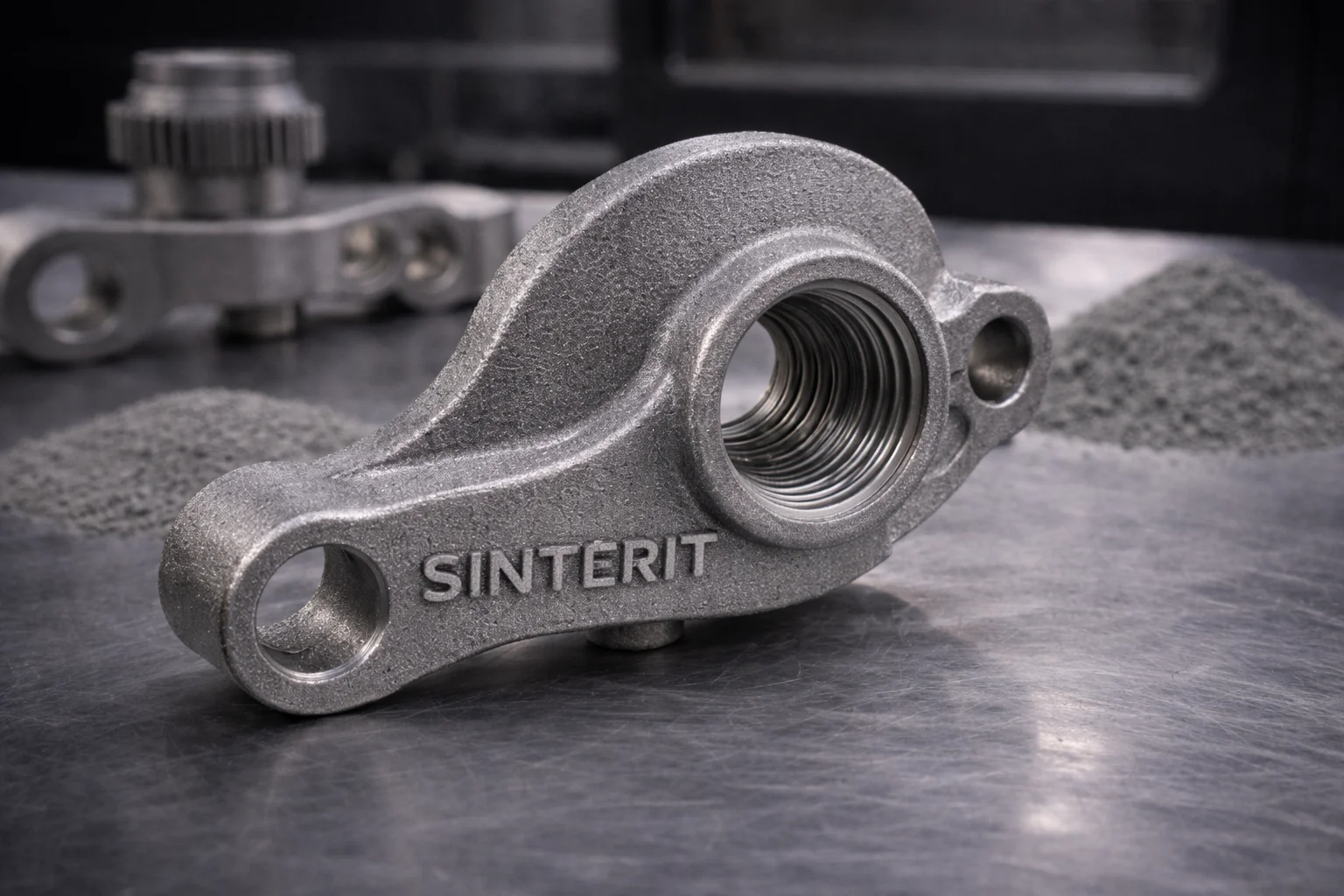
The green part is then debound and sintered in a furnace, where the metal particles fuse into a dense, fully metallic component.
The key difference: metal properties are achieved during sintering – not during printing.
Why CMF works on polymer SLS systems
CMF feedstock is engineered to be processed on polymer powder bed fusion (SLS) platforms.
During printing:
- only the binder is melted
- the metal powder remains solid
- thermal load is low
- the surrounding powder naturally supports the part
This enables:
- printing without support structures
- efficient nesting and stacking of parts
- reuse of unsintered feedstock
- mechanically stable green parts
Headmade qualifies Sinterit Lisa X for CMF materials
Headmade Materials has officially qualified Sinterit Lisa X for printing CMF feedstocks.
This qualification confirms that:
- Lisa X is suitable for CMF green-part production
- its process stability and control meet CMF requirements
- CMF can be printed on an industrial polymer SLS platform, not a metal printer
It is important to emphasize that CMF is a complex, multi-stage process, and this qualification is part of a broader, ongoing development effort.

CMF on Lisa X: an evolving process, not a finished template
Due to the complex nature of sinter-based metal manufacturing, the final CMF printing profile for Lisa X is still under development.
Achieving the best possible customer experience requires:
- more data points from real production environments
- validation across different geometries and applications
- feedback from users operating CMF in practical, day-to-day conditions
Rather than releasing a one-size-fits-all profile too early, the goal is to build a robust, well-understood solution that reflects real use cases — not only controlled test conditions.
Upcoming Beta program for CMF on Lisa X
To support this approach, Sinterit is preparing a CMF Beta program, planned to launch soon.
The Beta program will allow selected users to work with CMF materials on Lisa X and will focus on collecting real-world data, process feedback, and application insights.
More details will be shared in January.
Why Sinterit Lisa X is a strong CMF platform
Even at this stage, Lisa X offers several characteristics that make it a natural platform for CMF green-part printing:
- Polymer SLS technology aligned with CMF’s binder-based printing approach
- No supports (in most scenarios) during printing thanks to powder-bed self-support
- High green-part stability enabling safe handling and depowdering
- An open workflow allowing users to combine printing with external debinding and sintering partners
This makes Lisa X a solid foundation for CMF development — during the Beta phase and beyond.
From green part to metal: the CMF workflow
A typical CMF workflow includes:
- SLS printing of green parts on Sinterit Lisa X
- Depowdering (using Multi-PHS)
- Optional green-part machining (e.g., holes, threads)
- Solvent debinding
- Sintering to achieve final metal density
- Optional finishing (machining, polishing)
This structure allows companies to separate printing from metallurgical processing, increasing flexibility and scalability.
CMF materials available from Headmade
Headmade Materials offers a qualified CMF portfolio including:
- Titanium Ti6Al4V (Ti64)
- Inconel 625
- Stainless Steel 316L
- Stainless Steel 17-4PH
- Tool Steel M2
Material properties and design limits are defined in official datasheets and design guides, which should always be used as the primary technical reference.
What this means for Sinterit users
The qualification by Headmade and the upcoming Beta program mean that:
- metal additive manufacturing becomes accessible through polymer SLS
- users can build on existing SLS knowledge and infrastructure
- CMF development is driven by real customer applications
- the final solution will be shaped by practical, production-oriented feedback
This is not a finished product launch — it is a transparent, step-by-step introduction of CMF into the Sinterit ecosystem, focused on long-term reliability and customer value.
FAQ — ColdMetalFusion on Sinterit Lisa X
Find quick answers about ColdMetalFusion (CMF) workflow, release status, print profiles, supports, shrinkage, and where to get design rules and material data for CMF on Sinterit Lisa X.
What is ColdMetalFusion?
Is CMF on Lisa X already fully released?
Why is the final print profile still under development?
Does Sinterit sell metal printers?
Are supports required during printing?
Can green parts be machined?
What shrinkage should be expected?
Who performs debinding and sintering?
Let’s talk about your application
Have a specific application in mind?
Tell us about your use case, requirements, or challenges — our team will help you assess whether ColdMetalFusion on Lisa X is the right fit.