Austria
  Bosnia and Herzegovina
  Bulgaria
  Croatia
  Czech Republic
  Denmark
  Estonia
  Finland
  France
  Germany
  Greece
  Hungary
  Ireland
  Italy
Italy  Latvia
  Lithuania
  Poland
  Portugal
  Romania
  Slovakia
  Slovenia
  Spain
Spain  Sweden
  Switzerland
  United Kingdom
  Ukraine
  China
China  Hong Kong
  India
India  Israel
  Japan
Japan  Malaysia
  Philippines
  Saudi Arabia
  South Korea
  Taiwan
  Thailand
  Turkey
  United Arab Emirates
  Egypt
Egypt  South Africa
  Tunisia
  Canada
  Mexico
  United States
  Brasil
  Colombia
  Australia
  New Zealand
 Introduction to 3D printing
3D printing, or additive manufacturing, revolutionizes product development by enabling rapid prototyping and on-demand production of end-use parts. It offers unmatched design flexibility, faster iteration cycles, and more efficient material usage than traditional methods. This section explains the fundamentals of 3D printing, its evolution, and its role in modern manufacturing. We also examine its key benefits and limitations in comparison to subtractive and formative techniques.
Table of content
- What is print 3D? Concept of 3D printing
- What does “3D printed” mean?
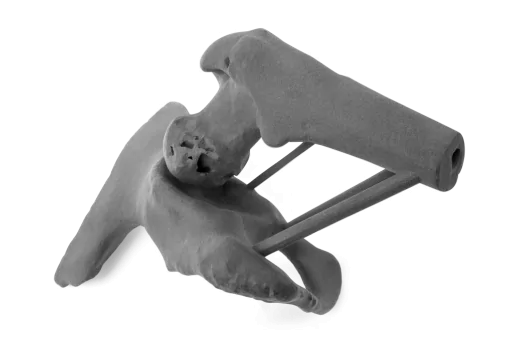
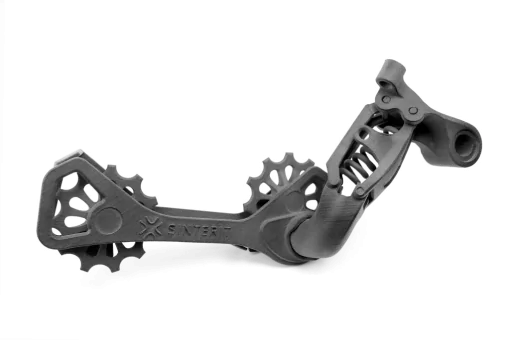
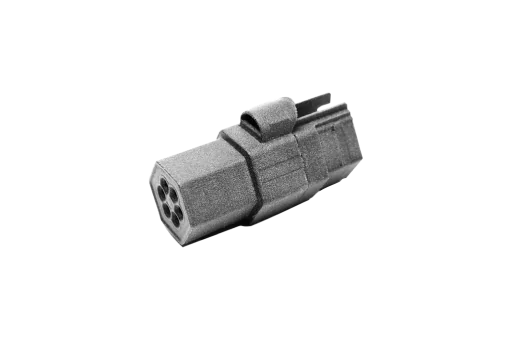
- Example of 3D printing
- How does 3D printing work?
- Slicing in 3D printing
- What do you need for 3D printing?
- 3D printing benefits
- Is 3D printer dangerous? Understanding the real risks
- 3D printing issues
- 3D printing history
- 3D printing facts
- Who uses 3D printers? Not just for engineers anymore
- Where 3D printing is used
- 7 common 3D printing myths
- 3D printing global market
- Cultural impact of 3D printing
- Hybrid manufacturing (CNC + AM)
Other sections