3D Printers
SLS 3D Printers
Peripherals
Printers ecosystem


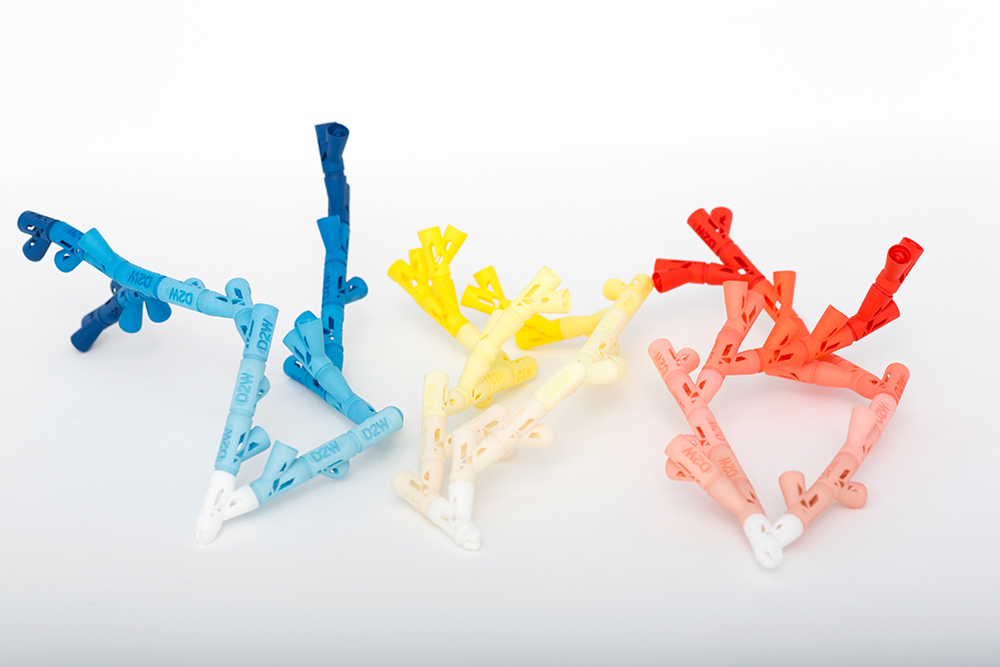
Achieve a premium look with proven, production-ready coloring options designed for functional end-use parts.
Because every color recipe is precisely developed and managed by DyeMansion, users receive highly reproducible results regardless of production location or batch size. RFID-enabled cartridges automatically transfer process parameters to the machine, ensuring traceability and consistent quality across every run.
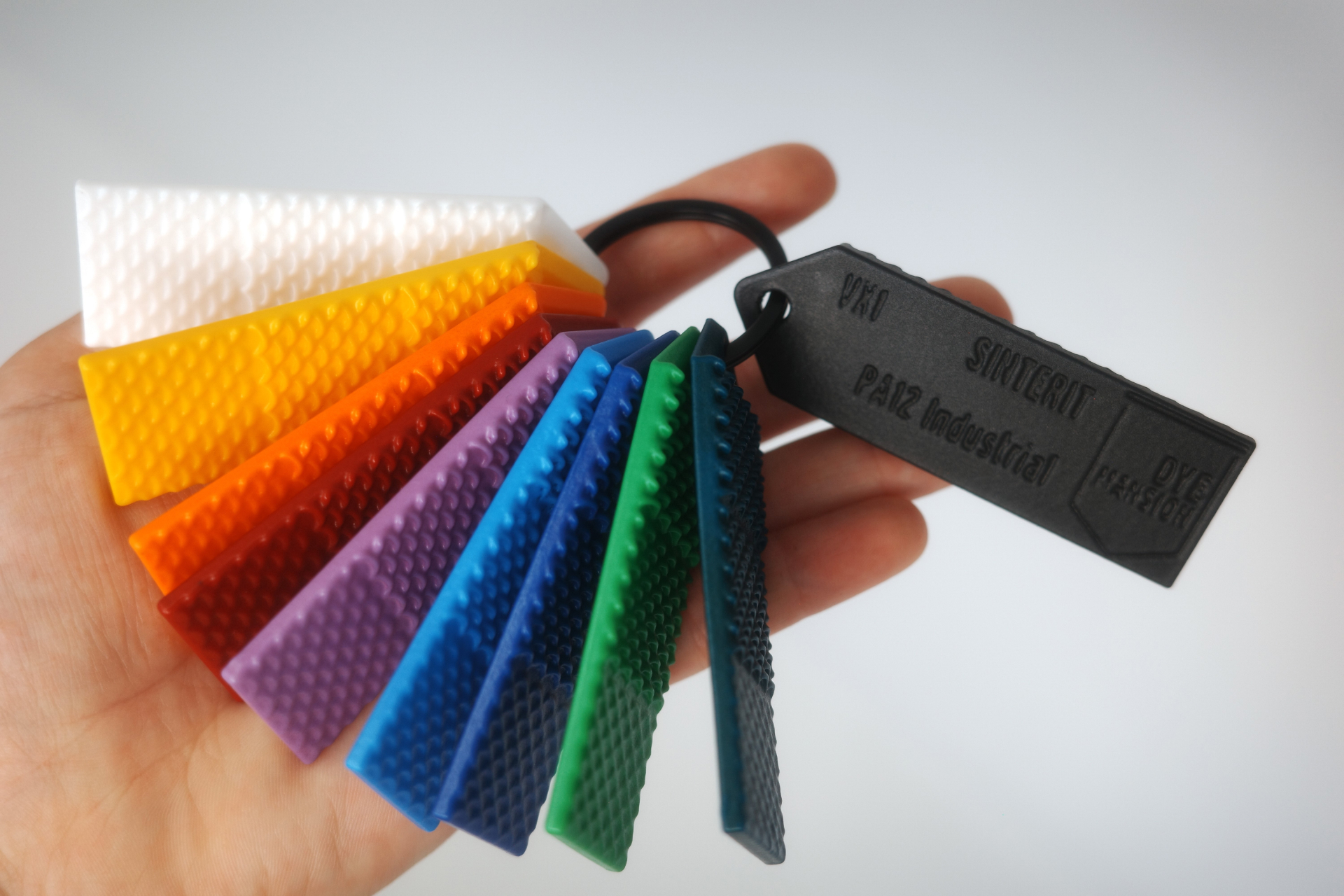
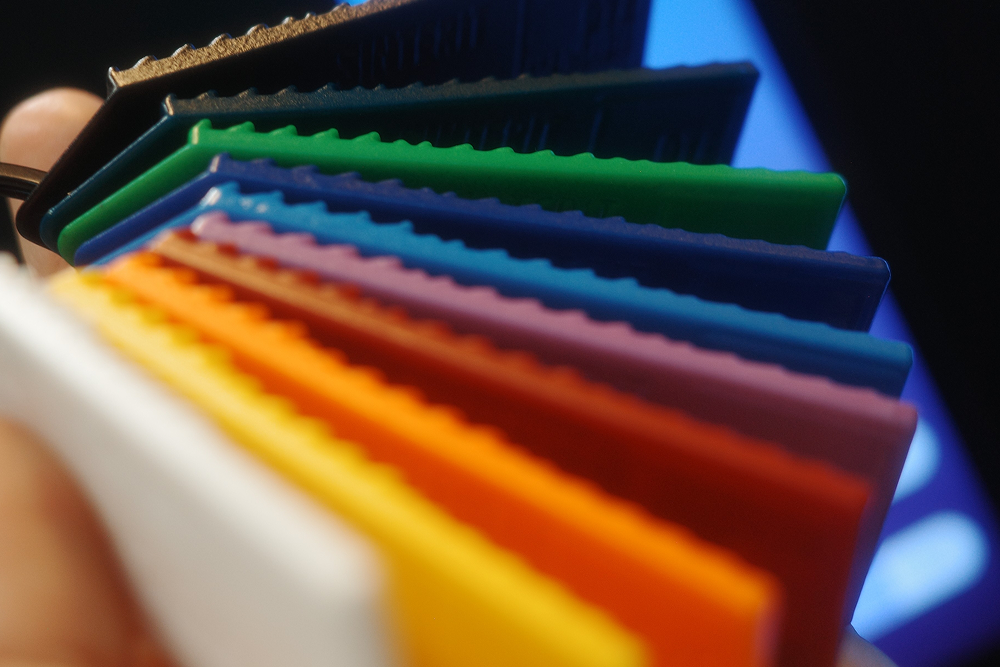
Variety of colors options:
For a more detailed info, check out the DyeMansion color database overview:
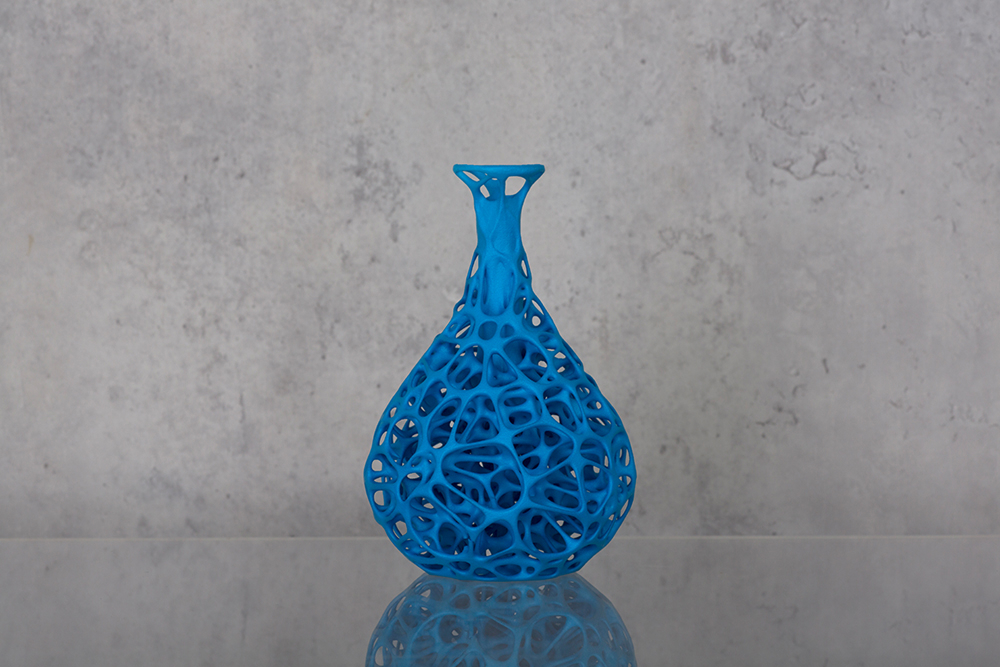
.Unlike coating or painting technologies that add a surface layer, DeepDye Coloring penetrates the material itself. This provides several important advantages:
The result is a premium product appearance without compromising dimensional accuracy.
Many industries require more than aesthetics. They require compliance.
The DM60 supports certified colors and validated processes for applications requiring:
This makes the system particularly attractive for healthcare, medical devices, eyewear, transportation, automotive interiors, and consumer products where reliability and appearance must go hand in hand.
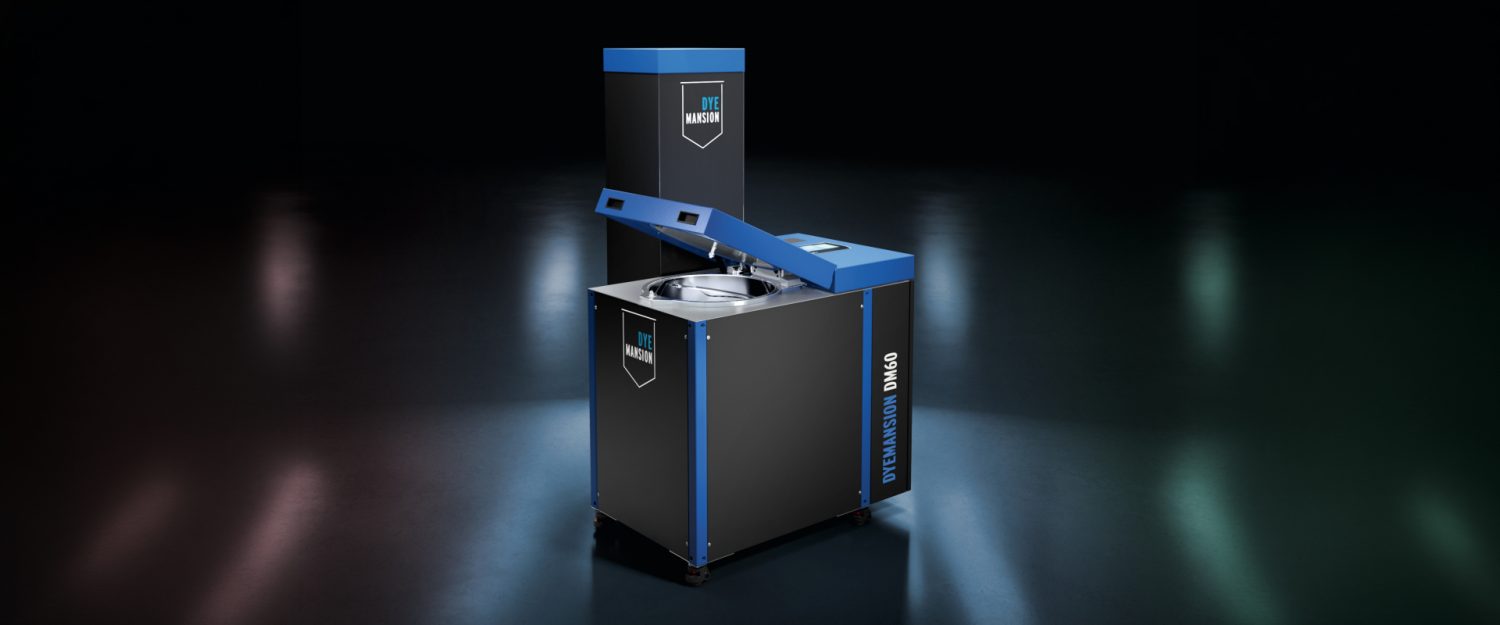
The DM60 is built for industrial throughput and repeatability.
Key Performance Highlights
The system is optimized for industrial environments where repeatability, throughput, and process control are critical.
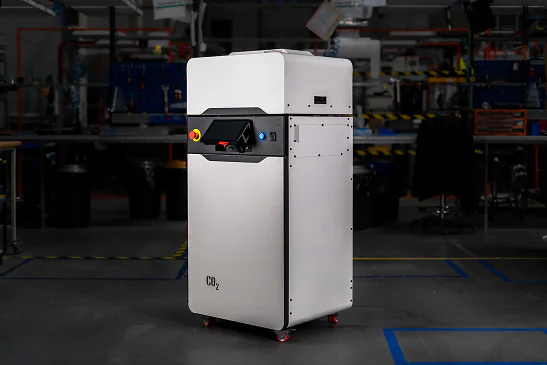
The full potential of the DyeMansion DM60 becomes even stronger when combined with the Sinterit BIANCO2. As BIANCO2 can process white and natural SLS powders, it creates the ideal base for vibrant, high-quality coloring. Instead of being limited by grey parts, manufacturers can start with bright components and fully unlock the DyeMansion color palette.
Together with the required post-processing equipment, BIANCO2 and DM60 become part of a complete additive manufacturing workflow: Print → Depowder → Surface Finish → Color → Ready-to-Use Product. DM60 seamlessly integrates into the additive manufacturing workflow, transforming printed parts into professional, ready-to-use products.
The DM60 can be perfectly combined with all other DyeMansion products for cleaning, surfacing or coloring – making it your combined & fully integrated Print-to-Product workflow. The DyeMansion products combined cover all steps from your raw printed part to the final product. Depowder, finish the surface according to your need (blasting or vapor smoothing possible) and then apply the color of your choice.
The result is not just a 3D-printed component — it is a finished, customer-ready product.
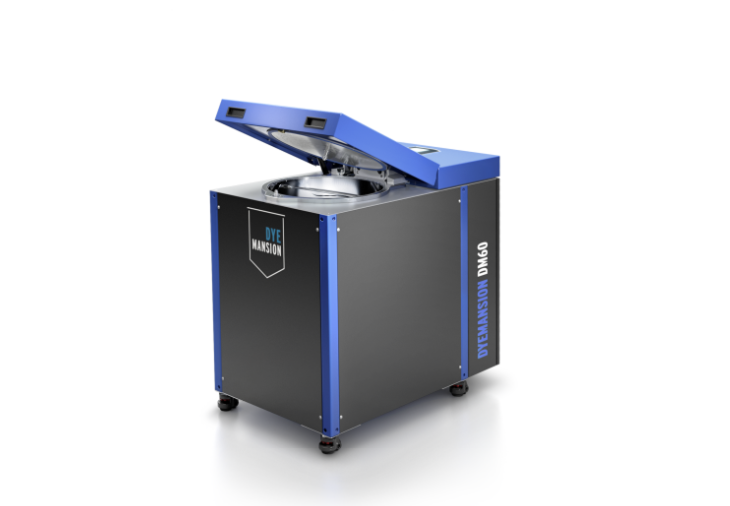
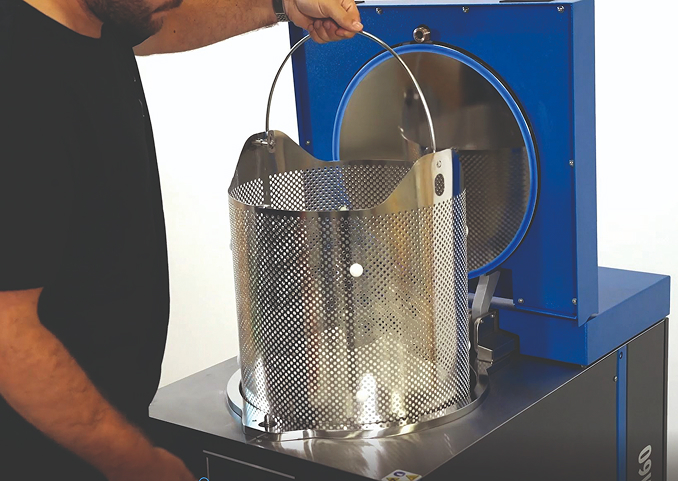
The DM60 is the industry leading coloring system for additive manufacturing that uses DeepDye Coloring (DDC) technology to create durable, high-quality colors on SLS and powder-bed fusion parts.
The system supports most commonly used PA12, PA11, and TPE materials. Additional material compatibilities are available upon request.
DyeMansion offers the biggest color data base in the AM industry with over 170 RAL colors, Pantone colors, standardarized colors developed on certain materials. If you use the colors of other materials the result may vary a bit, but usually it‘s possible. There is also the option of individual custom color development via DyeMansion.
No. The dye penetrates the material rather than creating a surface coating, preserving the original geometry and dimensional accuracy of the part.
Yes. The DM60 is an excellent match for white and natural SLS parts, making it the perfect finishing solution for systems such as the Sinterit BIANCO2.
Yes. RFID-enabled cartridges automatically transfer process parameters to the machine, ensuring consistent, traceable, and repeatable results across production batches.
The DM60 is widely used in consumer products, healthcare, medical devices, automotive, industrial manufacturing, transportation, and custom end-use production.
Absolutely. The system is designed for industrial manufacturing and supports high-throughput production with scalable cartridge sizes and optional reusable cartridge solutions.
BIANCO2 can process white and natural SLS powders, providing the ideal base for vibrant coloring. Together, the two systems create a complete workflow from printing to finished, customer-ready products.
It always takes 150 minutes!
Need a 3D Printer tailored for this purpose?

Your concerns may include costs, ROI, customer support, print quality, or printing speed. We have helped thousands of companies make the right choice.
 Austria
  Bosnia and Herzegovina
  Bulgaria
  Croatia
  Czech Republic
  Denmark
  Estonia
  Finland
  France
  Germany
  Greece
  Hungary
  Ireland
  Italy
Italy  Latvia
  Lithuania
  Poland
  Portugal
  Romania
  Slovakia
  Slovenia
  Spain
Spain  Sweden
  Switzerland
  United Kingdom
  Ukraine
  China
China  Hong Kong
  India
India  Israel
  Japan
Japan  Malaysia
  Philippines
  Saudi Arabia
  South Korea
  Taiwan
  Thailand
  Turkey
  United Arab Emirates
  Egypt
Egypt  South Africa
  Tunisia
  Canada
  Mexico
  United States
  Brasil
  Colombia
  Australia
  New Zealand